

Motion graphics is the craft of making information move. Not decoration, and not animation for its own sake, but using movement to make something easier to follow than it would be sitting still on a page.
Below are real examples from our own work, what each one had to achieve, and why motion was the right answer rather than a filmed alternative.
Each project started from a different problem, and the problem picked the format. Find the one closest to yours. Each image below opens the video.
- 01An abstract subjectCarat. Values give a camera nothing to film, so characters carry the message.
- 02Many countries and languagesUNHCR Data Innovation Fund. One visual system, many markets, no reshoots.
- 03The right toneDiscovery Parks. Humour rather than instruction, so staff can picture and repeat the standard.
- 04A process with no footageUNHCR Innovation Learning. The process is built on screen as it is described.
1. Turning company values into something people remember
Values statements are the hardest internal message to land. Written down they read as a list of adjectives. Filmed, they end up as executives describing culture to camera, which nobody watches twice.
For Carat we built a motion graphics piece around people, partnership and culture. Character animation carries the message instead of a talking head, and because it is animated it can be updated later without recalling anyone to a studio.
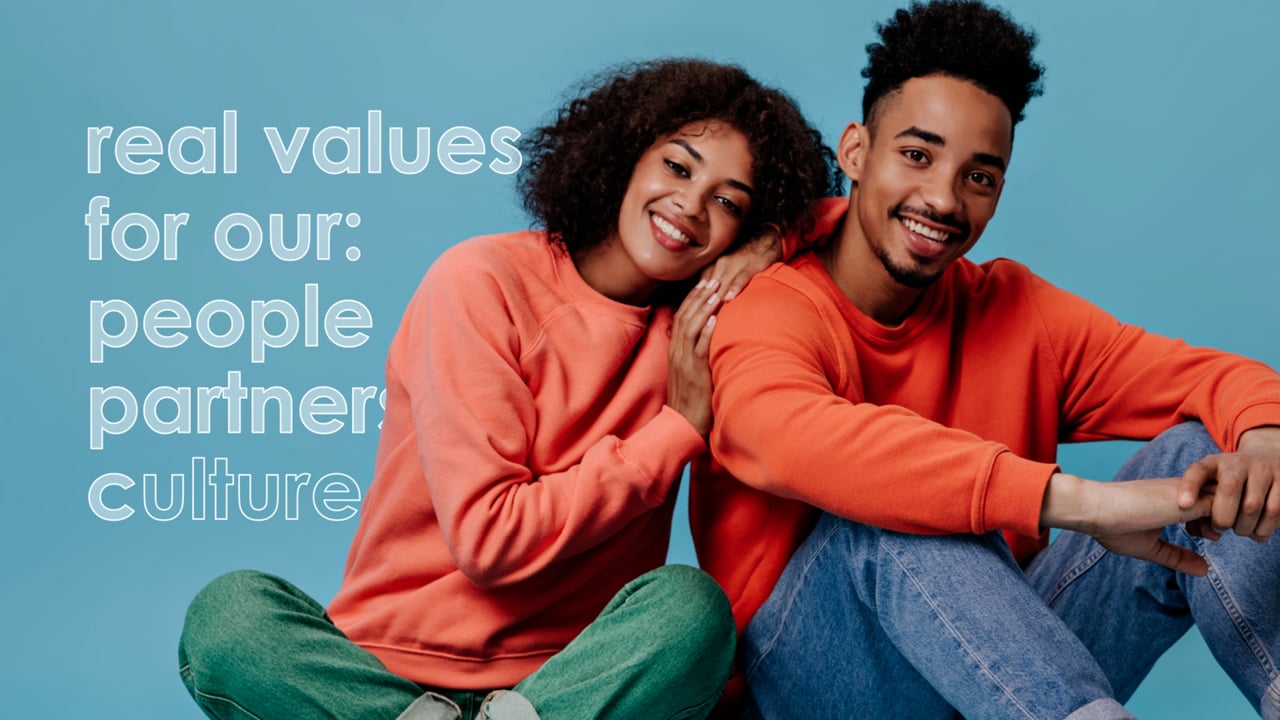
Why motion worked: the subject is abstract. There is nothing to film.
2. Explaining a global program to a global audience
The UN Refugee Agency needed to explain its Innovation Fund to audiences across many countries and languages. Live footage would have been impossible to shoot at that spread, and would have dated quickly.
Motion graphics let us build a character library covering a range of cultures and ethnicities, so each story could be told with people who reflected the communities involved.
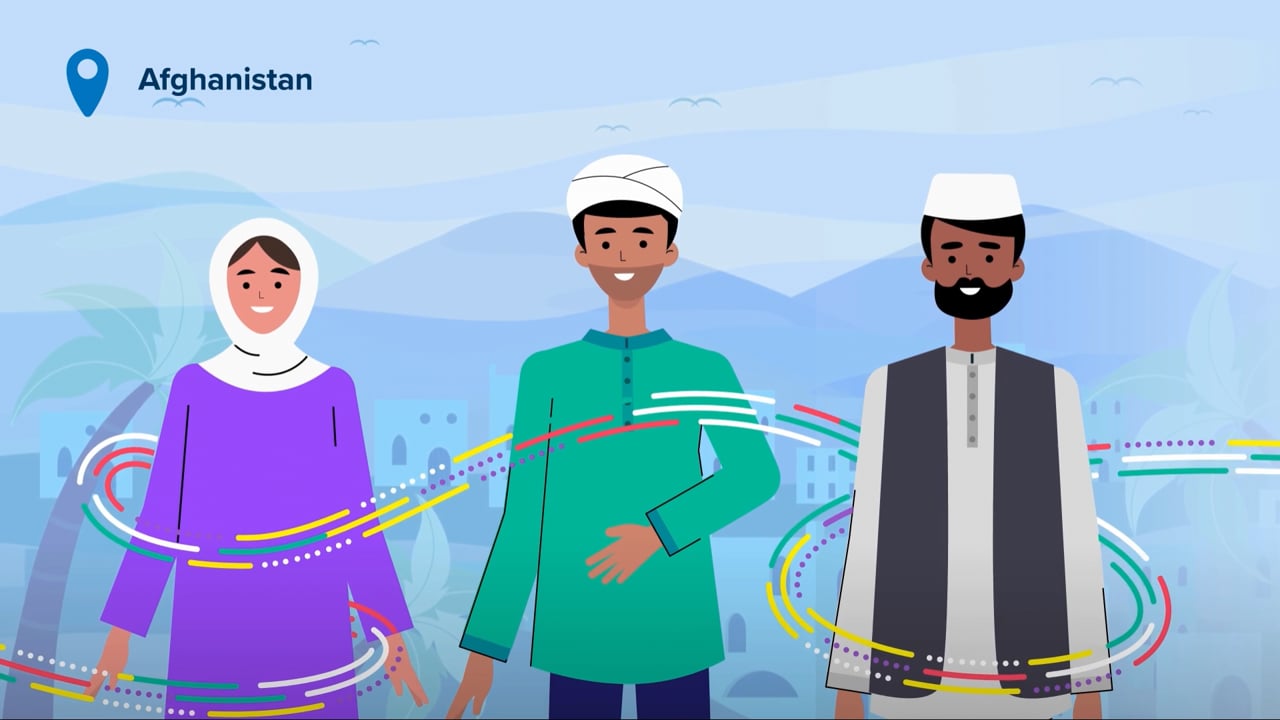
Why motion worked: one visual system, many markets, no reshoots.
3. Making a service standard usable by frontline teams
Discovery Parks had a service promise that needed to mean something to staff on site, not sit in a policy document. We turned it into an animation using humour rather than instruction.

The finished piece speaks to a team spread across Australia, from general managers to front desk staff. It can also be repurposed for internal training and external recruitment. The Discovery Parks case study has the detail.
Why motion worked: tone. Animation let the piece be light without being unserious.
4. Teaching something that has no footage
Innovation Learning for UNHCR covers process and method. There is no location, no product and no event to point a camera at. Motion graphics builds the thing being described as it is described.
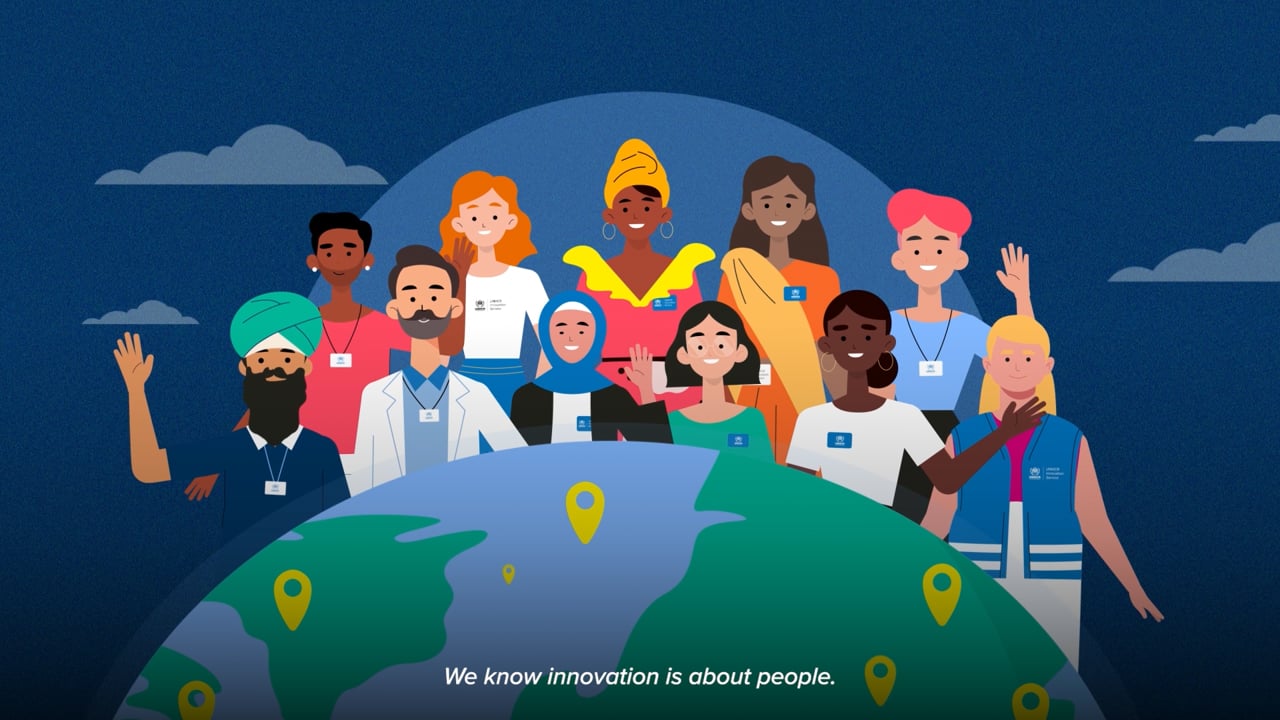
Why motion worked: the idea and the picture arrive together.
What the good examples have in common
- One idea per sequence. Movement that tries to carry three points at once carries none.
- Motion with a job. If an element moves, the movement should mean something.
- Restraint in the palette. The strongest pieces here use fewer colours than people expect.
- Built to be reused. A character library or component system pays for itself by the third video.
How a motion graphics project runs
Most of those decisions are made before anything moves, which is why the script and storyboard come first.
- 01ScriptOne idea per sequence, finished first.
- 02StoryboardEvery scene agreed as frames.
- 03DesignThe look, and any character library.
- 04AnimationMovement with a job, plus voice over and music.
- 05Sign-offStandard revision rounds, then delivery.
We are based in Adelaide, and none of this needs a crew on the ground. Briefing, storyboard reviews and approvals happen remotely, and plenty of our work is for clients in Melbourne, Sydney, Brisbane and Perth.
When motion graphics is the wrong choice
If you have real people doing real work and the point is authenticity, film it. Animation is the right tool when the subject is abstract, when you need control the real world will not give you, or when the content has to be updated without a reshoot.
Here is how we would choose.
- Film itReal people doing real workAuthenticity is the point. See our corporate video examples.
- CharactersValues, culture or a service standardCharacters carry the message, so nobody has to perform to camera.
- GraphicsA process with nothing to filmNo location, product or event to point a camera at. Build the idea on screen instead.
- Build to reuseSeveral markets, or regular updatesOne character library or component system, changed without a reshoot.
- ExplainerA product or service to explainOne job: make something complicated feel obvious. See our explainer video examples.
Thinking about a motion graphics project?
What an animation costs depends on its length, style and complexity, the number of scenes and characters, and how many versions you need. We quote each project on its own scope after a conversation. See more in our work, or tell us about your project.
Planning an animation project? See our animation services.

Need a team of creatives?
Animation, video, illustration, design and marketing for a single project, or as your own team of creatives for the work that keeps coming.
